Little Princess Clipart: Choosing and Using It the Right Way
When it comes to crafting, designing, or creating personalized projects, Little Princess Clipart is a popular choice among creators. Whether you're working on digital layouts, wedding invitations, or handmade cards, this type of clipart brings a whimsical, elegant touch that resonates with many audiences. However, like any design element, it's easy to make missteps that can affect your final output. From image quality to licensing concerns, understanding how to properly select and apply Little Princess Clipart can make a big difference in your project's success.
Why People Choose Little Princess Clipart
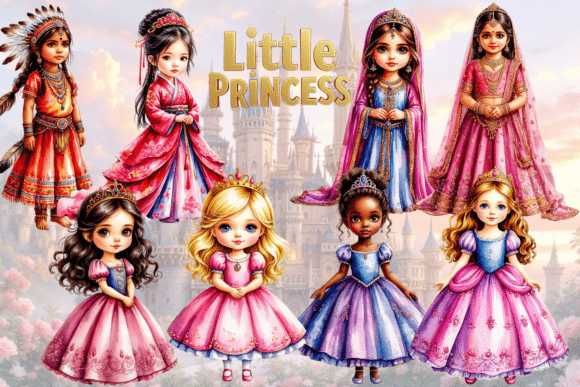
Little Princess Clipart appeals to a wide range of users, especially those working on themes centered around childhood, fantasy, or elegance. The charm of a princess motif works well in invitations, baby showers, children's books, and educational materials. With the availability of high-quality versions like Little Princess Clipart 8 elements, PNG, 300 dpi, 10x10 inch size, users can confidently use these graphics across both print and digital formats. Whether it's for a planner blog, fabric printing, or cardmaking, the versatility of this clipart makes it a go-to option.
Common Mistakes When Selecting or Using Clipart
Despite its popularity, many users overlook key details that can impact the effectiveness of their design. Here are some of the most common pitfalls and how to avoid them:
1. Ignoring Image Resolution and File Format
One of the biggest oversights is downloading clipart without checking the resolution and format. Low-resolution images may look fine on screen but can appear blurry or pixelated when printed. Always look for PNG files with 300 dpi if you're planning to use the clipart in physical prints. The Little Princess Clipart 8 elements set, for example, offers high resolution and transparency, making it ideal for layering and resizing without quality loss.
2. Misunderstanding Licensing Terms
Many users assume that because clipart is available for download, it's automatically free to use in any context. This isn't always the case. Some sets require attribution or restrict commercial use. Before purchasing or downloading Little Princess Clipart, always read the license agreement. If you're using it for a blog or selling handmade cards, ensure you have the right to do so without legal concerns.
3. Overlooking Design Consistency
Clipart should complement your overall design, not clash with it. Mixing styles—like pairing a whimsical princess graphic with a modern minimalist layout—can create visual confusion. When selecting Little Princess Clipart, ensure it aligns with the theme and aesthetic of your project, especially if you're creating wedding stationery or themed invitations.
4. Resizing Without Proportion Control
It's tempting to stretch or compress clipart to fit a space, but this can distort the image. Always maintain the aspect ratio when resizing. If you're using a set like Little Princess Clipart 8 elements, take advantage of the included sizes or use design software that allows for non-destructive scaling.
How These Mistakes Affect Your Projects
Making these errors can lead to a variety of issues. Low-resolution images can ruin the professionalism of printed materials. Incorrect licensing can result in takedowns or legal action. Inconsistent design choices can confuse your audience or dilute your brand message. Resizing mishaps can make your project look amateurish. Fortunately, all of these issues are preventable with a bit of planning and attention to detail.
Practical Tips for Choosing and Using Little Princess Clipart
- Check resolution and file type: Look for 300 dpi PNG files for print, and 72 dpi for web use.
- Review licensing: Confirm whether the clipart is for personal or commercial use.
- Match your theme: Ensure the style of the clipart aligns with your overall design concept.
- Use layers wisely: If you're using photo overlays or scrapbooking, maintain transparency and layer order for best results.
- Test before finalizing: Print a sample or preview your design on different devices to check how the clipart appears.
What to Check Before Buying or Downloading
Before you commit to a clipart set, especially for professional or commercial use, verify the following details:
- File specifications: Is it PNG, JPEG, SVG? What's the resolution?
- Usage rights: Can you use it in digital and physical products?
- Number of elements: Does the set include multiple characters or variations?
- Compatibility: Will it work with your design software (Canva, Photoshop, Illustrator, etc.)?
- Customer reviews: Are there reports of quality issues or unclear licenses?
Real-Life Example: A Better Approach
Imagine you're creating a planner blog and want to use Little Princess Clipart to illustrate a post about themed organization. Instead of grabbing the first free image you find online, you search for a high-quality set like Little Princess Clipart 8 elements, PNG, 300 dpi, 10x10 inch size. You check the license to ensure you can use it in your blog posts and social media. Then, you resize the images using Canva's aspect lock feature to keep them crisp. The result? A polished, professional look that enhances your content and engages your audience.
Conclusion
Whether you're a hobbyist or a small business owner, Little Princess Clipart can elevate your creative projects when used correctly. By avoiding common mistakes related to resolution, licensing, and design consistency, you'll ensure your work looks polished and communicates your message effectively. Always take a moment to review the details before downloading or purchasing, and don't hesitate to test how the clipart performs in your specific use case. Thanks for visiting our shop—we hope your next project shines with the magic of Little Princess Clipart.